Every process plant, every piping system and every SKID module contains dozens, sometimes hundreds of valves — ball valves, butterfly valves, globe valves. They are rarely what catches the eye first, but they largely determine whether a plant runs reliably, can be shut off safely and can be automated efficiently.
As Armaturenfabrik we trade independently of manufacturer in industrial valves from well-known makers such as Bray, KSB, GEMÜ, ARI, Niezgodka, Air Torque and others — and combine this trade with our own modification, automation and manufacture through Industriefabrik Schneider GmbH. This article explains what manufacturer-independent valve trading involves and why the right valve in the right place decides the success of an entire plant.

What manufacturer-independent valve trading means
A valve dealer who carries only one manufacturer portfolio is tied to that product range — regardless of whether it is actually the best solution for the application at hand. Manufacturer-independent trading means the opposite: the valve is selected according to the technical requirement, not according to stock levels or sales targets.
At Armaturenfabrik this covers:
- Advice before the sale — selecting the right valve according to medium, pressure rating, temperature and process requirement
- Access to a broad manufacturer portfolio — from standard valves to special and high-pressure solutions
- Technical sizing — not off-the-shelf selling but matching to the specific application
- Modification and automation from one source — through the close link to manufacture at Industriefabrik Schneider GmbH
The advantage for the customer: a single point of contact for advice, procurement, adaptation and documentation — instead of several suppliers who have to be coordinated with one another.
Why the right valve in the right place is decisive
A valve is not an interchangeable component. Whether a plant can be reliably shut off, controlled or automated depends directly on whether the installed valve suits the task in hand. Two examples from practice show how different these requirements can be — and how closely valves interact with other plant components.
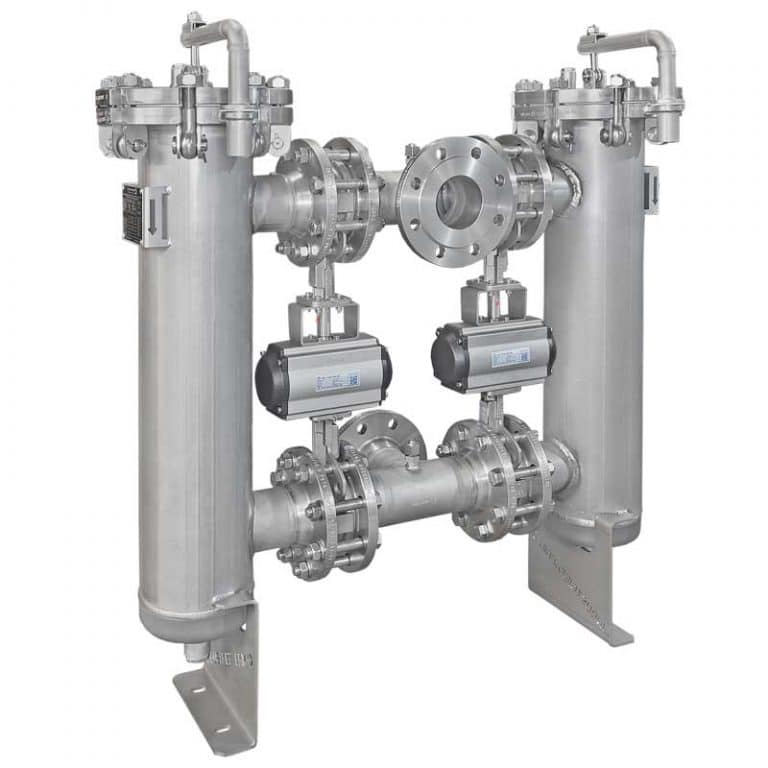
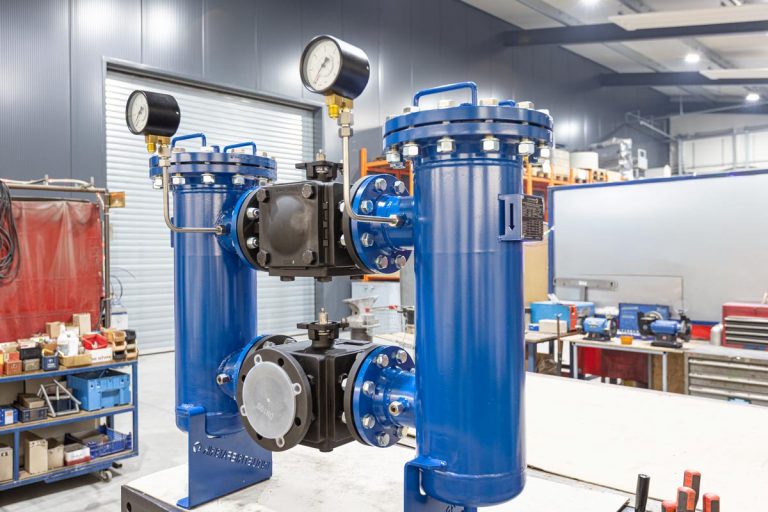
Butterfly valves in a duplex strainer — changeover without interrupting operation
A changeover duplex strainer can only be cleaned without interrupting operation if the integrated butterfly valves are precisely designed for the changeover task. The valve must:
- close tightly while the second filter line continues to run at full operating pressure
- switch quickly and reliably between positions
- match the nominal size and pressure rating range of the filter unit exactly
If the butterfly valve is incorrectly sized or of inferior quality, the changeover itself can become the weak point — with leakage, incomplete shut-off or premature wear as the consequence. For more on the operating principle of the duplex strainer itself, see the article Cleaning without stopping production – duplex and changeover filters.
Ball valves in SKID plants — precision in a modular system
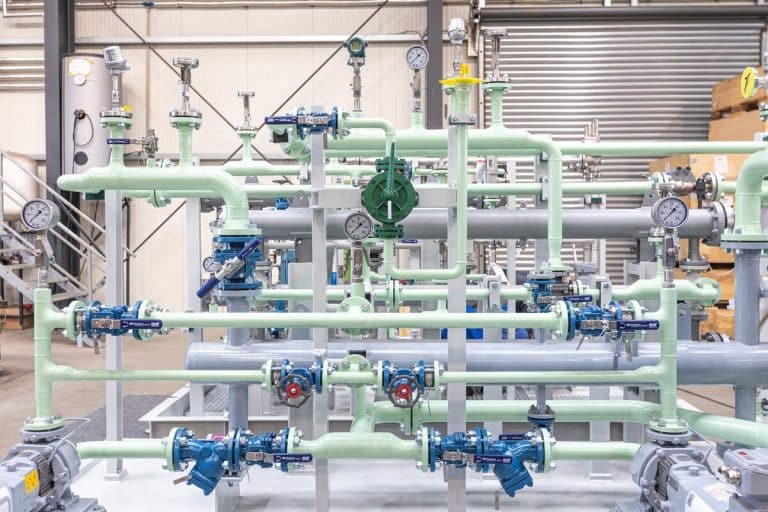
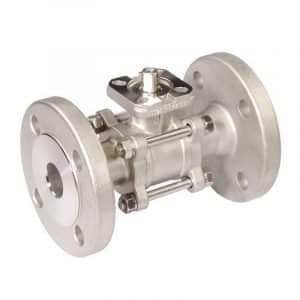
In modular industrial plants (SKID systems) ball valves take on central control tasks — as a shut-off device between individual plant lines, for maintenance isolation or as part of automated control loops. Because a SKID module is delivered as a fully prefabricated, tested unit, every valve installed must be correctly sized from the outset — subsequent correction on site is hardly possible once a system is fully piped.
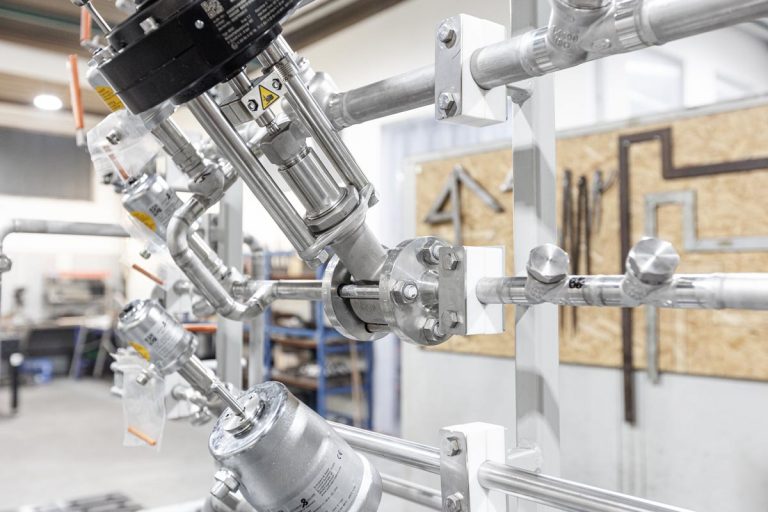
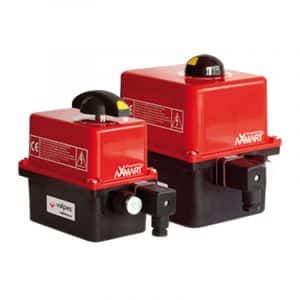
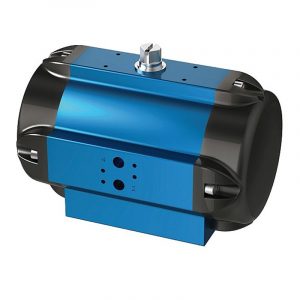
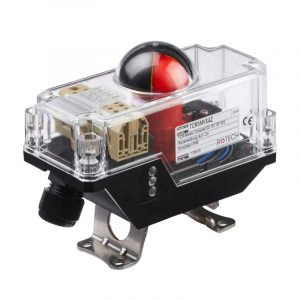
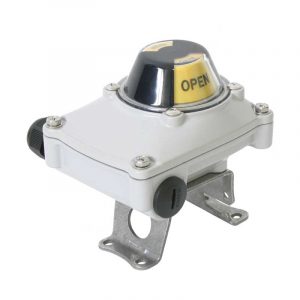
With automated ball valves in particular — with actuator, limit switch and solenoid valve — the exact matching of valve, actuator and control technology is decisive for the functional reliability of the entire plant. More on this in the article Valve automation: how a standard valve becomes a remotely controlled unit.
Why valves should rarely be considered in isolation
These two examples show a fundamental principle: a valve fulfils its function only in interaction with the system it is built into. Several factors therefore always come together in the selection:
- Medium and operating conditions — pressure, temperature and aggressiveness of the medium determine material and design
- Installation situation — is the valve operated manually, controlled automatically, or is it part of a control loop?
- Adjacent components — as in the duplex strainer and SKID examples: the valve has to suit the function of the system as a whole, not only work on its own
- Maintenance and accessibility — how often does the valve have to be operated, tested or serviced?
Considering these factors together, instead of selecting a valve in isolation by catalogue figure, is the core of sound plant design — and the reason why manufacturer-independent technical advice offers more value than purchasing purely from a data sheet.
From the standard valve to the complete system
Armaturenfabrik offers customers three entry points, depending on requirement:
- Standard valve from stock — for applications where a tested catalogue valve is sufficient
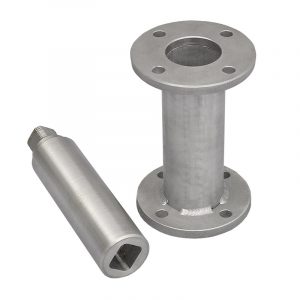
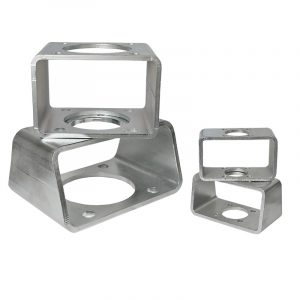
- Modified valve — with special material, heating jacket, stem extension or adapted flanging
- Automated or fully integrated assembly — valve with actuator, sensors and control connection, tested and delivered ready for installation
All three routes come together at Industriefabrik Schneider GmbH — from advice through modification to the finished, tested assembly.
Conclusion
Valve trading is more than logistics between manufacturer and customer. The right valve in the right place — correctly sized, matched to the adjacent system and automated where required — determines the reliability of an entire plant. Armaturenfabrik combines manufacturer-independent trading with technical advice and its own manufacture through Industriefabrik Schneider GmbH — for solutions that work not only in the catalogue but in actual plant operation.
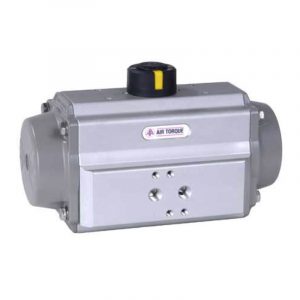
Products from valve trading and pipe construction / SKID plants
Make a request directly
Would you like individual advice?