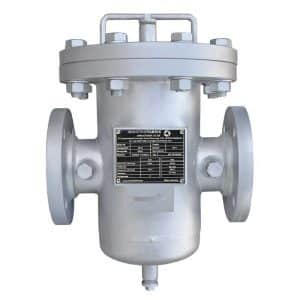
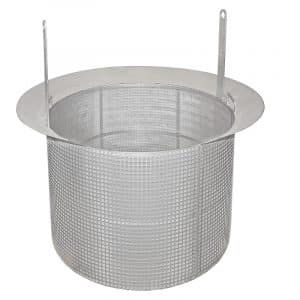
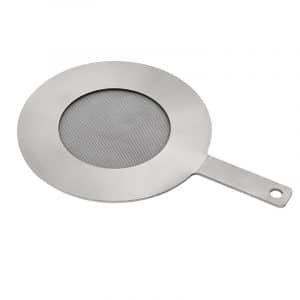
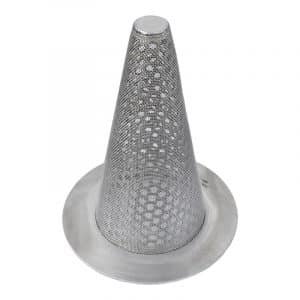
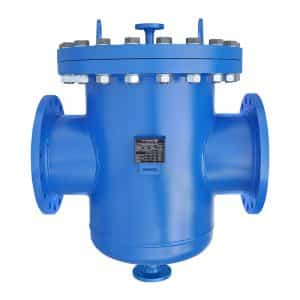
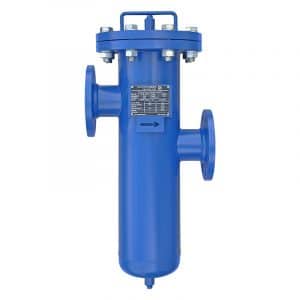
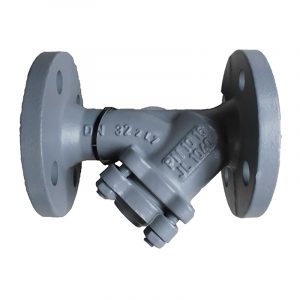
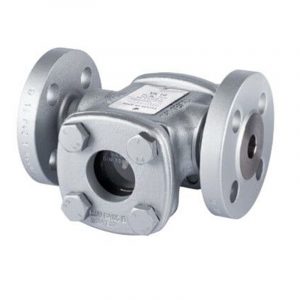
Every industrial plant needs more than piping and valves. It needs components that store, temper and stabilise media — under pressure, at changing temperatures and reliably over years of continuous operation. Pressure vessels, heat exchangers and pulsation dampers do exactly that: rarely visible, yet indispensable in almost every process plant.
Industriefabrik Schneider GmbH manufactures all three component groups in its own workshop in Großzöberitz — to the same certified standards, from the same materials and with the same complete documentation. What connects these three product groups also explains why they so often appear together in a single plant project.
Why vessel construction is a discipline of its own
A pressure vessel is not a simple steel tank. As soon as a component is under pressure and contains a medium that poses a risk in the event of failure, European regulations apply that go far beyond ordinary welding work.
Manufacture follows the Pressure Equipment Directive PED 2014/68/EU, the AD 2000 code of practice (HP0) as well as EN 1090 and EN ISO 9001:2015. In practical terms this means:
- Welding operation approved to DIN ISO 3834-3
- Manufacture approved under Module G of the Pressure Equipment Directive (CE 0045)
- Internal production control with acceptance monitoring to Module A2
- Every component receives complete documentation: 3.1 certificates, pressure and leak tests, welding and material documentation
These approvals are not a formality — they are the precondition for a vessel to be installed in an industrial plant subject to approval at all.
Pressure vessels — the basis for storage and process stability
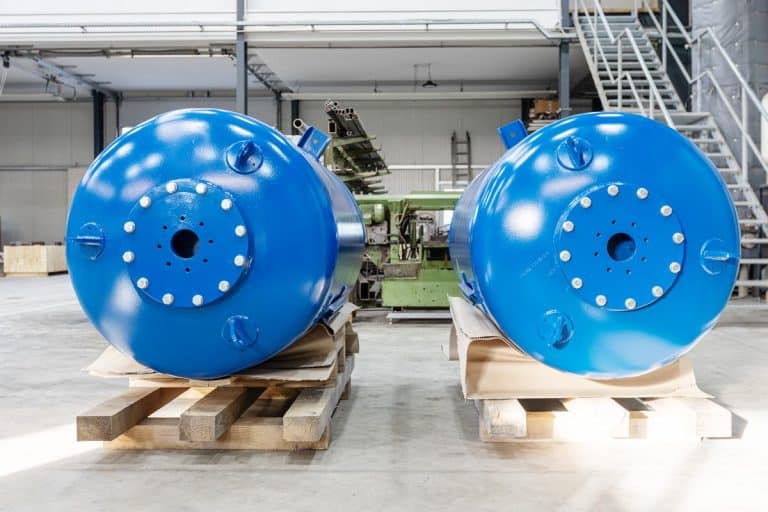
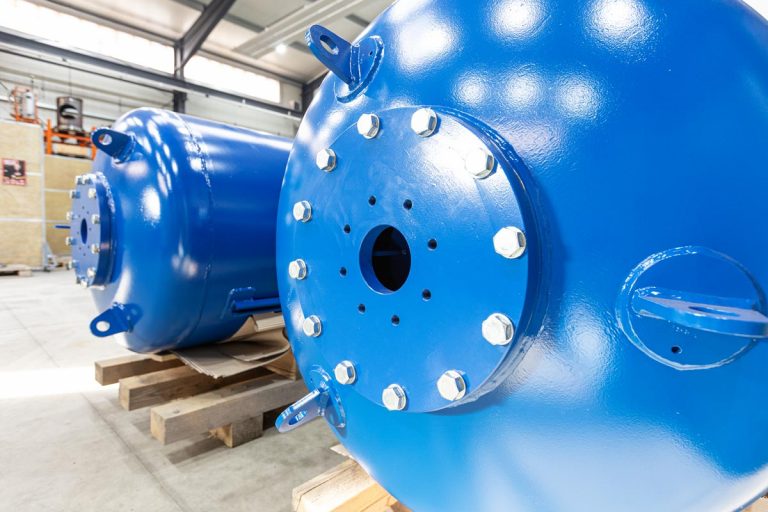
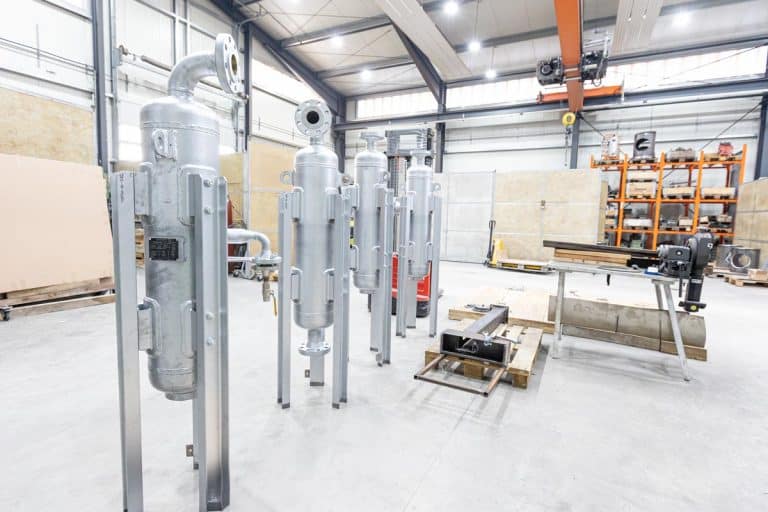
Pressure vessels are used wherever a medium is stored, buffered or carried through a process step under pressure — horizontal or vertical, as a process, storage or buffer vessel.
Materials to suit the requirement:
- Stainless steel 1.4571/316Ti and 1.4404/316L — high corrosion resistance, hygienic, for aggressive media
- Steel — economical and robust for standard and high-pressure applications
- Aluminium — lightweight construction with good thermal conductivity for special applications
- Engineering plastics (PE, PP, PVDF) — for chemically aggressive or hygienic media at low weight
Options during manufacture:
- Heating or cooling jacket for temperature-controlled processes
- Insulation — on request directly from Isolierfabrik.com
- Inspection openings, individual connection geometries
- Surface treatment: pickling, passivation, defined Ra values, painting or coating
Every pressure vessel is designed on the basis of the customer requirement — medium, operating pressure, temperature and volume determine the material, wall thickness and test scope.
More details: Pressure vessels – stainless steel, steel, aluminium, plastic
Heat exchangers — where temperature controls the process
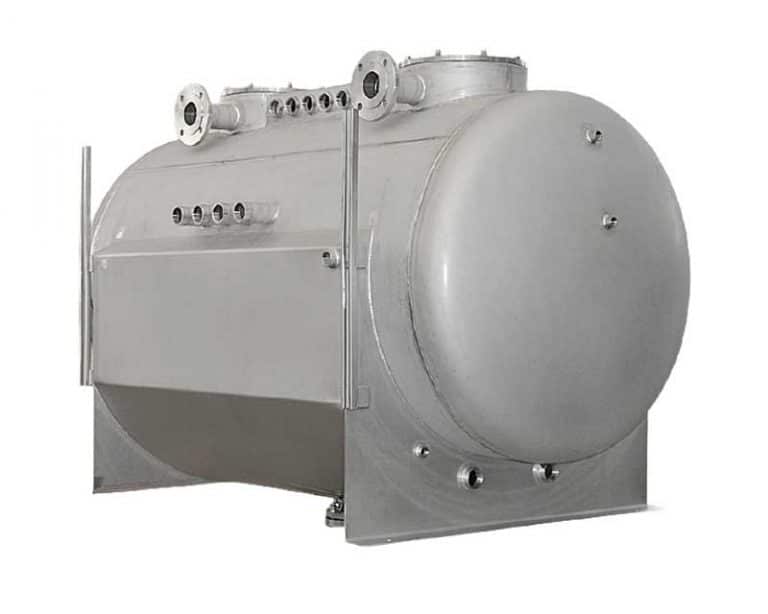
Many processes in the chemical industry, in energy technology and in plant engineering require the targeted heating or cooling of media. Heat exchangers perform this task — as a tube bundle system, as a modular assembly or as an electric instantaneous heater.
The design depends on the medium to be transferred, the required temperature difference and the space available. Heat exchangers are manufactured in:
- Stainless steel — for aggressive or hygienically sensitive media
- Steel — for economical standard applications
- Aluminium — where thermal conductivity and low weight matter
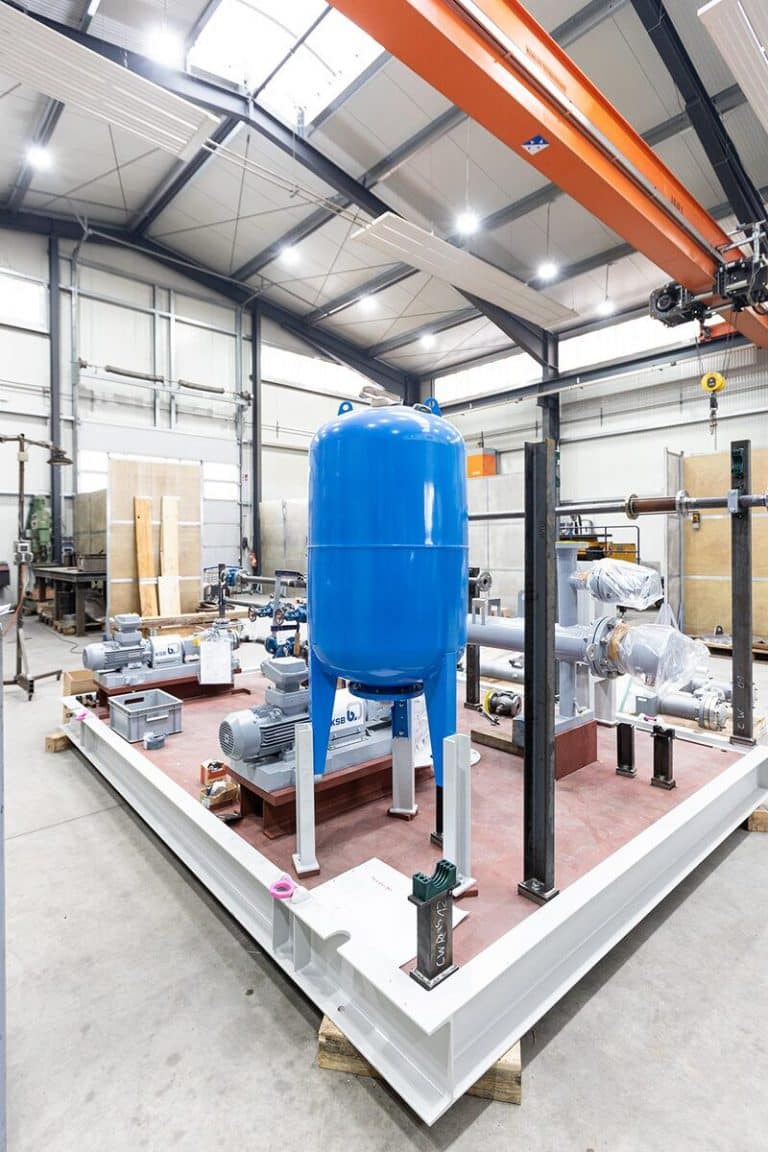
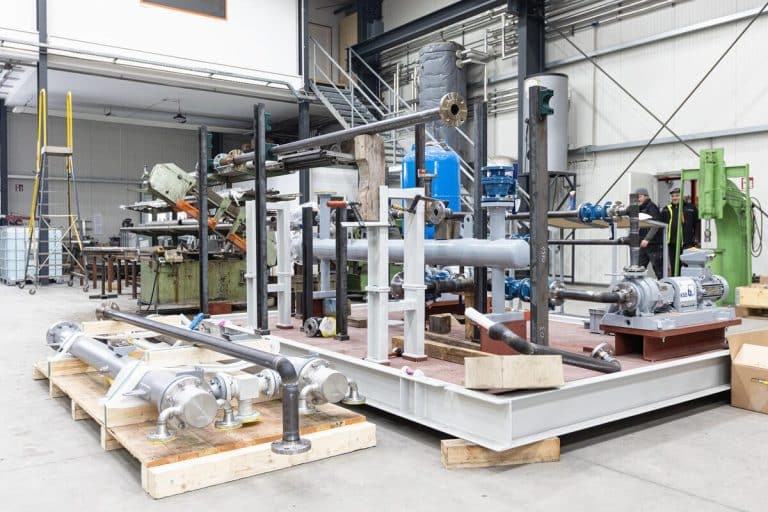
A heat exchanger is rarely a single component. It is often part of a larger system — a SKID package, for example, in which piping, valves, filters and measuring technology are integrated directly.
More details: Heat exchangers, tube bundles and instantaneous heaters

Pulsation dampers — protection against what you cannot see
Diaphragm and hose pumps do not deliver continuously but in pulses. Every stroke creates a brief pressure peak that travels through the entire piping system as vibration and pressure surge. Over time this leads to material fatigue in pipes, welds and valves — up to premature failure.
A pulsation damper is installed on the discharge or suction side of the line and evens out these pressure peaks before they spread through the system. This reduces:
- mechanical load on pipes and connections
- vibration damage to adjacent plant components
- noise emission from pulsating flow
- maintenance effort caused by premature component wear
Pulsation dampers are manufactured in stainless steel, steel, aluminium or engineering plastics — depending on the medium delivered and the operating pressure of the plant. A frequently underestimated component with a direct effect on the service life of the plant as a whole.
More details: Pulsation dampers for pumps, compressors and plants
Why these three component groups often appear together
In practice, pressure vessels, heat exchangers and pulsation dampers rarely stand alone. A process plant that stores, tempers and delivers a medium under pressure typically needs all three components working together:
- A pressure vessel buffers the medium
- A heat exchanger brings it to process temperature
- A pulsation damper protects the system against pressure surges from the delivering pump
Because all three component groups are manufactured under one roof at Industriefabrik Schneider GmbH — with the same materials, the same standards and the same documentation — they can be designed directly as a matched system instead of being combined afterwards from parts supplied by different vendors.
Areas of application at a glance
Food & beverages: Hygienic vessels and separators with smooth, CIP/SIP-capable surfaces in stainless steel or plastic.
Chemicals & pharmaceuticals: Storage, reaction and safety vessels for aggressive media, high temperatures and demanding purity requirements.
Energy, oil & gas: Pressure vessels, accumulators and pulsation dampers for high pressures, extreme temperatures and reliable continuous operation.
Water, wastewater & mechanical engineering: Separators and storage vessels for water treatment, wastewater technology and industrial applications.
From engineering to acceptance — how a vessel project runs
- Enquiry: medium, operating data, volume and the required standards and materials are recorded
- Design: construction to suit the medium and pressure, including connection planning, instrumentation and test concept
- Manufacture: welding to a certified procedure, machining to drawing
- Testing: pressure and leak test, complete welding and material documentation
- Delivery: packaging, heavy-goods transport, crane and platform planning — worldwide shipping on request
Conclusion
Vessel construction is a matter of trust — in the quality of the workmanship as much as in standard-compliant certification. Industriefabrik Schneider GmbH combines both: certified manufacture to PED, AD 2000 and EN 1090 with the flexibility to design every component individually for the application — from a single pressure vessel to a complete system of vessel, heat exchanger and pulsation damper.
Products from the Pipe Fabrication / SKID Systems category
Make a request directly
Would you like individual advice?